

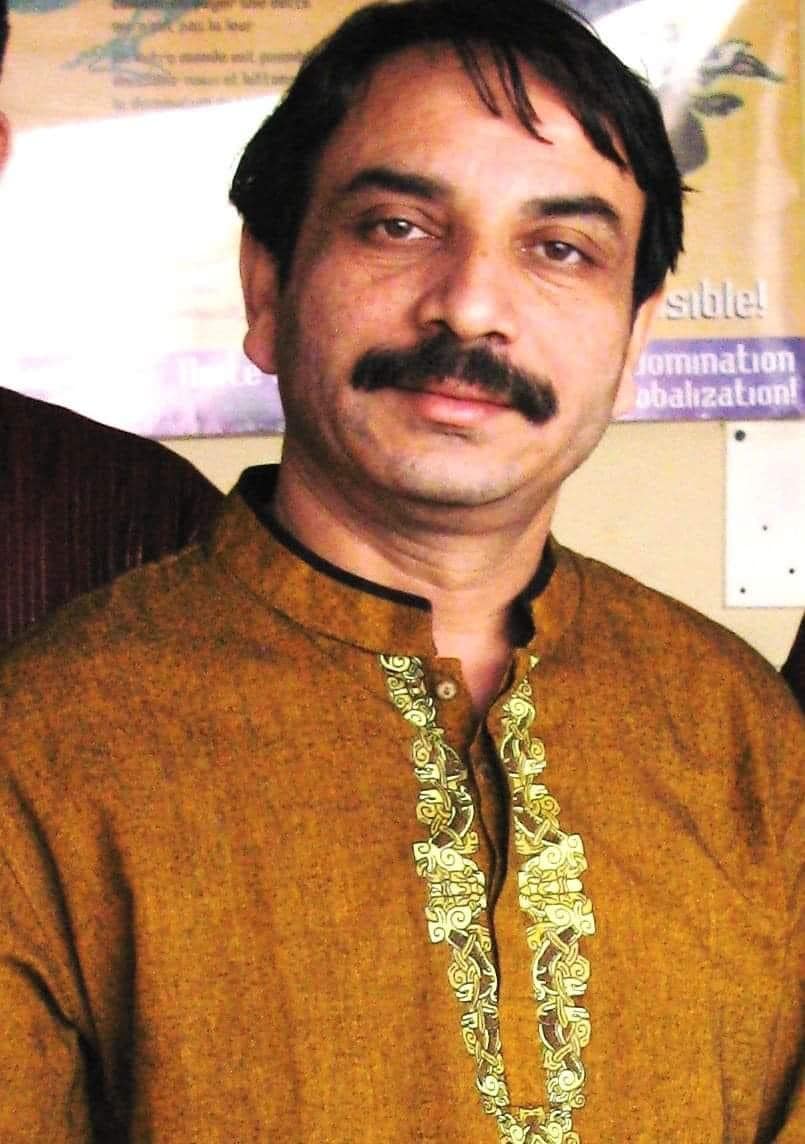
Ahmed Swapan Mahmud
It is indeed essential for political parties to maintain a minimum level of camaraderie, mutual respect, and tolerance to preserve stability, cohesion, and justice in society. This is not an idealistic fantasy but a fundamental principle of democratic politics. However, in post-uprising Bangladesh, we are witnessing the disintegration of even this minimal consensus among political parties.
Despite the emergence of new political possibilities after the July uprising, parties like BNP, Jamaat, and NCP are moving away from one another, prioritizing their own interests over collective goals. Jamaat has now begun to openly oppose BNP. On the other hand, the NCP, with its increasingly loud, arrogant, and often uncivil discourse, has started provoking discomfort among the public. Their aggressive language and confrontational posture are breeding negative reactions, especially among those who had hoped for a different kind of political culture after the fall of authoritarian rule.
Under the banner of a so-called “new political arrangement,” the use of slurs, threats, and even allegations of extortion have become part of public discourse. This has left ordinary citizens uneasy. In response, some BNP leaders have issued counter-statements that reflect neither political maturity nor a sense of responsibility. Political etiquette has all but vanished.
Political differences today are no longer rooted in ideology or policy; they have degenerated into personal attacks and expressions of hate. The use of derogatory terms like ‘shaua’ (a crude insult) may seem to some as a symbol of strength or popularity, but in truth, such behavior only drags politics further into the mud of vulgarity, violence, and division. Stomping on portraits of leaders like Tarique Rahman or Ziaur Rahman is not an act of political dissent—it is an incitement to renewed conflict. These vulgar and aggressive actions have brought politics to such a low point that one fears whether the very force that powered the recent movement might implode from within.
Bangladesh now stands at a critical juncture. The authoritarian rule that persisted for years has come to an end through the people’s uprising. But the real challenge lies ahead: can we now cultivate a genuine culture of democracy and inclusive politics? The moment demands restraint, tolerance, and a basic consensus among political forces. Without this, irresponsible behavior and blame games will once again push the state and society into uncertainty.
To be fair, BNP has in several instances shown signs of tolerance. During the anti-discrimination student movement last August, their restraint—along with that of Jamaat and other parties—helped avoid large-scale violence. BNP, as a major political party, carries greater responsibility due to its large support base and political leverage. That reality cannot be denied.
In contrast, though Jamaat and the NCP remain relatively smaller players, they are trying to increase their influence disproportionately. There are also signs that the Chief Adviser is showing favoritism toward NCP and Jamaat, which is both unhelpful and worrying.
The key question now is: can a democratic future be built while maintaining such fragmented positions? Can sustainable political unity emerge from this climate of division? Most likely not. Such disunity will only erode public trust in the very forces that claimed to represent a new beginning. If the opposition begins to mirror the same toxic political culture and language that once defined Sheikh Hasina’s authoritarian regime, then it risks dragging the country back toward the same destructive path.
Democracy thrives on debate and diversity of opinion. But disagreement does not have to mean enmity. The more politics is characterized by insults, revenge, and humiliation, the more society will drift toward violence. Today someone may call another shaua, but tomorrow the insult will be returned—and the cycle of hatred will continue, without end.
In this situation, what is most urgently needed is the establishment of a basic level of honorable political unity. Parties must engage one another with respect and work toward shared values rather than indulge in constant finger-pointing. Such consensus is the very foundation upon which democracy must be built.
People do not want their leaders to hurl abuses at one another; they want solutions. They seek honesty, wisdom, and mutual respect from those who claim to lead. The opportunity that has emerged from the collapse of fascist rule must not be squandered through another descent into conflict. Otherwise, not only the movement but the lives and hopes of those involved will be endangered.
Now is the time to choose the path of unity, not division. Regardless of party or ideology, we must embrace restraint and practice a politics of tolerance. Let us build a culture of solidarity, together.
Ahmed Swapan Mahmud is a poet and human rights activist.
[The views and opinions expressed in this article are those of the author and do not necessarily reflect the official policy or position of Bangladesh Now. The publication bears no responsibility for the accuracy of any statements made or for any potential consequences arising from the content.]